Our Technology
12+ Years of Hydroxypropyl Starch Softgel Technology
From Laboratory to Commercial Scale
What Is Pregelatinized Hydroxypropyl Starch?
Pregelatinized hydroxypropyl starch is a dual-modified starch engineered for softgel film-forming. It is produced through two sequential modification steps on non-GMO plant starch, and is monographed in the Chinese Pharmacopoeia (ChP) as a pharmaceutical excipient.
Chemical modification — hydroxypropylation. Native starch is etherified with propylene oxide, introducing hydroxypropyl groups that disrupt the original hydrogen-bonded starch lattice. The result is significantly improved retrogradation resistance: capsule shells resist going brittle across a 24-month shelf life.
Physical modification — pregelatinization. The hydroxypropylated starch is gelatinized and rapidly dried, yielding microporous, non-crystalline granules — the ideal structural base for consistent, high-strength film formation. This strong seam adhesion lets the shell seal reliably with far less gelling agent than conventional hydroxypropyl-starch shells.
Pharmacopoeia status. Pregelatinized hydroxypropyl starch is an officially monographed excipient in the Chinese Pharmacopoeia — used as tablet disintegrant, binder, and softgel film-forming matrix. Amylom Biotechnology supplies to GB 29930-2013 standard, HALAL certified (HCS-AML260613) and recognized by JAKIM (Malaysia), BPJPH (Indonesia), OIC-SMIIC, and GAC (GCC).
Plant-based by origin. AMYLOM’s hydroxypropyl starch is derived from non-GMO plant starch — corn, potato, cassava, or pea — vegan, halal, and kosher suitable.
Key Technical Properties
- Source
- Non-GMO plant starch (corn, potato, cassava, pea)
- Modification
- Dual — chemical (hydroxypropylation) + physical (pregelatinization)
- Pharmacopoeia
- Monographed in Chinese Pharmacopoeia (ChP)
- Appearance
- White to off-white powder
- Solubility
- Water-soluble, forms clear gel
- Gel Yield
- Up to 1:3.6
- Gel Stability
- Stable 72 hr after cooking
- Transparency
- Crystal clear shell
- Cross-linking
- None — chemically inert
- Standard
- GB 29930-2013
Active Certifications
HALAL (JAKIM · BPJPH · OIC-SMIIC · GCC) · U.S. FDA Food Facility Registration · GB 29930-2013 · GB 2760-2024
Under Application
Non-GMO · Vegan · Organic · NDF · ISO
How Does a Hydroxypropyl Starch Softgel Shell Compare to Gelatin?
A softgel shell is traditionally made from animal gelatin, usually bovine. The plant-based alternative AMYLOM (Amylom Biotechnology) produces is hydroxypropyl starch — a pregelatinized, hydroxypropylated starch from non-GMO corn, potato, cassava, or pea, monographed in the Chinese Pharmacopoeia. Softgel plants and equipment suppliers call this category vegetarian softgel, or V-gel. Both materials form a clear, seamless, oxygen-barrier shell, so they encapsulate the same oil, suspension, and paste fills; the differences are in source and behavior. Gelatin is animal-derived, so it is not vegan and carries BSE/TSE source risk, and it can cross-link with aldehydes or reducing sugars in the fill — slowing disintegration over shelf life. Hydroxypropyl starch is plant-based — vegan, halal, and kosher-suitable with no animal-source risk — and is chemically inert, so it does not cross-link. It seals reliably at a 1:3.6 gel yield and reaches a crystal-clear shell, supplied to GB 29930-2013 and HALAL-certified across four countries.
Our Technical Advantages
What makes AMYLOM’s hydroxypropyl starch technology stand out.
Batch Consistency
Automated hydroxypropyl starch production line ensures every batch meets identical specifications. Consistent viscosity, transparency, and gel behavior — batch after batch.
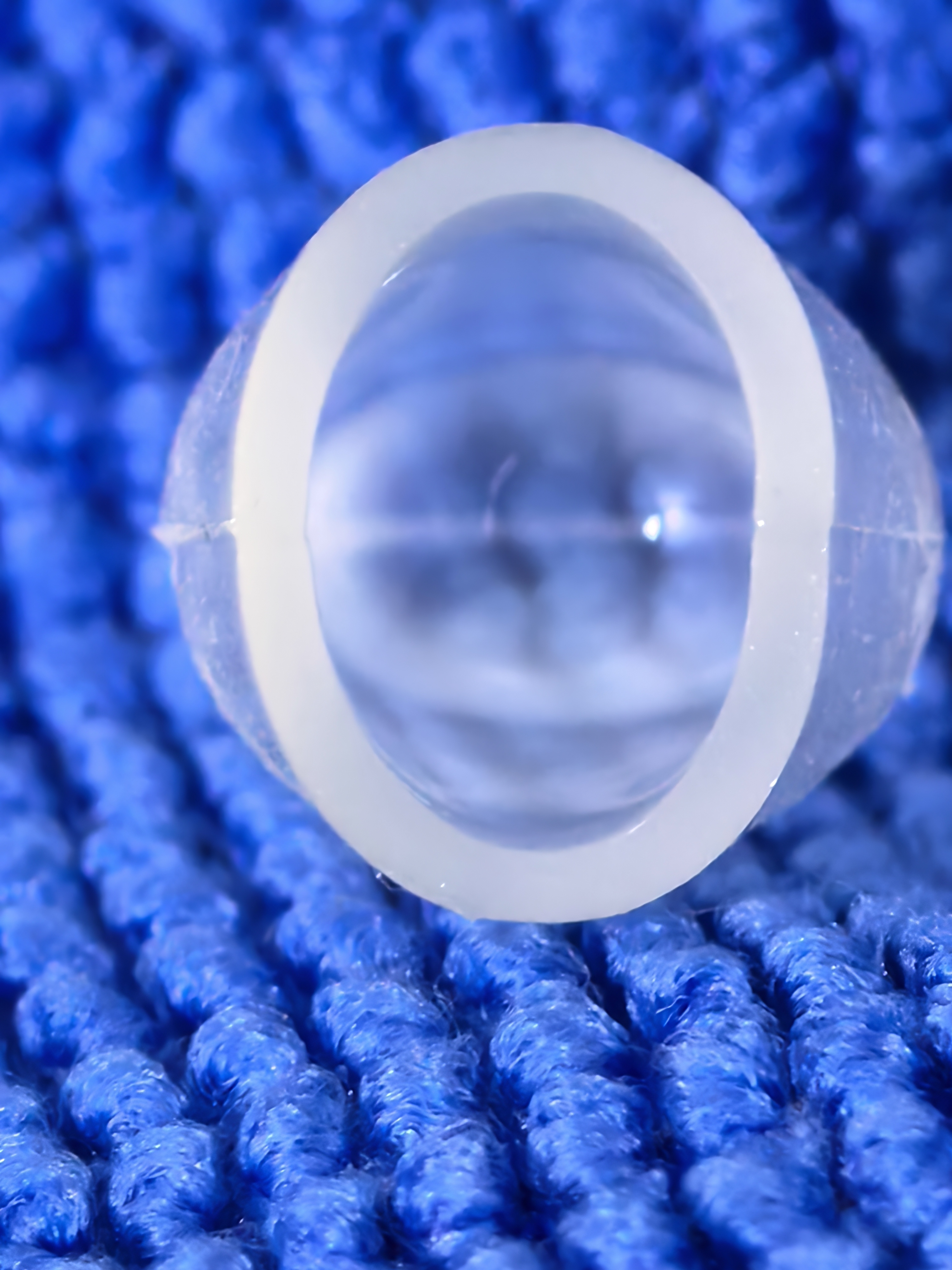
Crystal Clear Shell
The microporous, non-crystalline starch granules produced by pregelatinization yield exceptionally transparent capsule shells — with higher clarity than gelatin. Ideal for color cosmetics and skincare where shell transparency is a purchase driver.
Cost Efficiency
With a gel yield ratio of up to 1:3.6, 72-hour gel mass stability after cooking, and minimal in-process material loss — our material significantly reduces per-unit production costs compared to other plant capsule solutions.
Custom Formulation
Available in pure starch gel and blended plant gel formats. Our technical team works with clients to develop customized formulations that meet specific capsule appearance, fill compatibility, and production requirements.
Production Process
A streamlined 7-step gel-mass cooking and encapsulation process, ~4 hours total.
01
Weighing & Ratio Preparation
Raw material : water : glycerol ratio = 1 : 1.6 : 0.6
02
Cold Mixing of Water & Oil
Add purified water and glycerol, start stirring. After 3 minutes, drain 20% of the mixture from the bottom of the tank for later use.
03
Feeding
Add raw material steadily into the gel-mass tank. Use the reserved water-oil mixture to rinse the stirrer and tank walls.
04
Heating & Gel-Mass Cooking
Jacket temperature 110°C, tank set to 102°C. Start heating. Once tank reaches 90°C, time for 90–120 minutes.
05
Ambient Temperature Stirring
Stir at ambient temperature for 10–15 minutes to ensure uniform gel consistency.
06
First Vacuum
Set jacket to 102°C. Apply vacuum for 1–3 minutes to remove air bubbles from the gel mass.
07
Second Vacuum & Encapsulation
40–60 minutes after first vacuum, set jacket to 92°C, stop stirring, apply vacuum 1–3 minutes. Gel is now ready for encapsulation.
Frequently Asked Questions
What is pregelatinized hydroxypropyl starch?
Pregelatinized hydroxypropyl starch is a dual-modified plant starch (hydroxypropylation and pregelatinization) used as a film-forming softgel shell material in place of animal gelatin.
How is hydroxypropyl starch different from gelatin and HPMC softgel shells?
Unlike gelatin, hydroxypropyl starch is plant-based with no animal-source risk. Unlike HPMC, it offers higher shell clarity at lower cost.
What is hydroxypropyl starch regulated as, and is it safe?
Hydroxypropyl starch is an excipient listed in the Chinese Pharmacopoeia (ChP) and compliant with GB 29930-2013. It is SGS-tested for heavy metals and microbial load.
What starch sources are used to make hydroxypropyl starch?
Non-GMO corn, potato, cassava, and pea starch.
Does the hydroxypropyl starch shell provide an oxygen barrier?
Yes. The starch shell provides an oxygen barrier, making it suitable for oxygen-sensitive fills.
How much R&D backs AMYLOM’s hydroxypropyl starch technology?
12+ years of dedicated R&D in hydroxypropyl starch softgel technology, backed by 8 invention patents (4 granted by CNIPA, 4 under examination).
Interested in Our Technology?
Request a technical datasheet or speak with our R&D team directly.