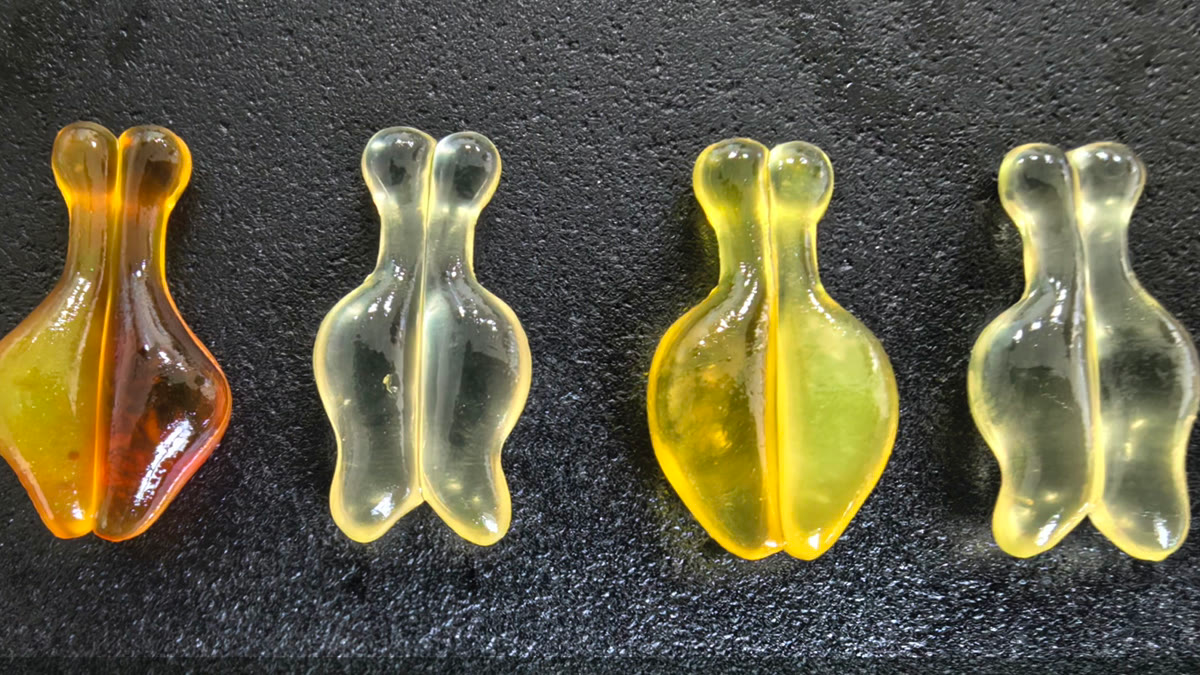

When a softgel leaves the encapsulation machine it is still soft and carries surface moisture. Before it can be inspected, packed, or shipped, the shell has to be dried until it is firm enough to handle. Drying is what firms the shell and brings out its final clarity — get it wrong and you see soft spots, sticking, or distortion.
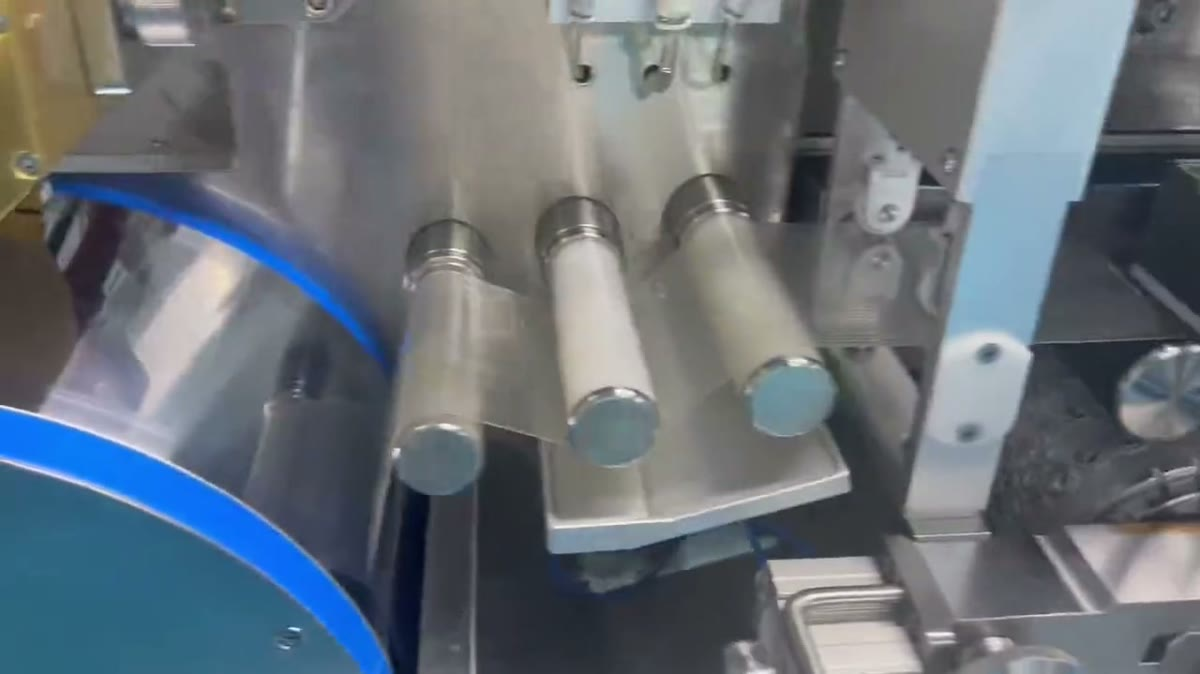
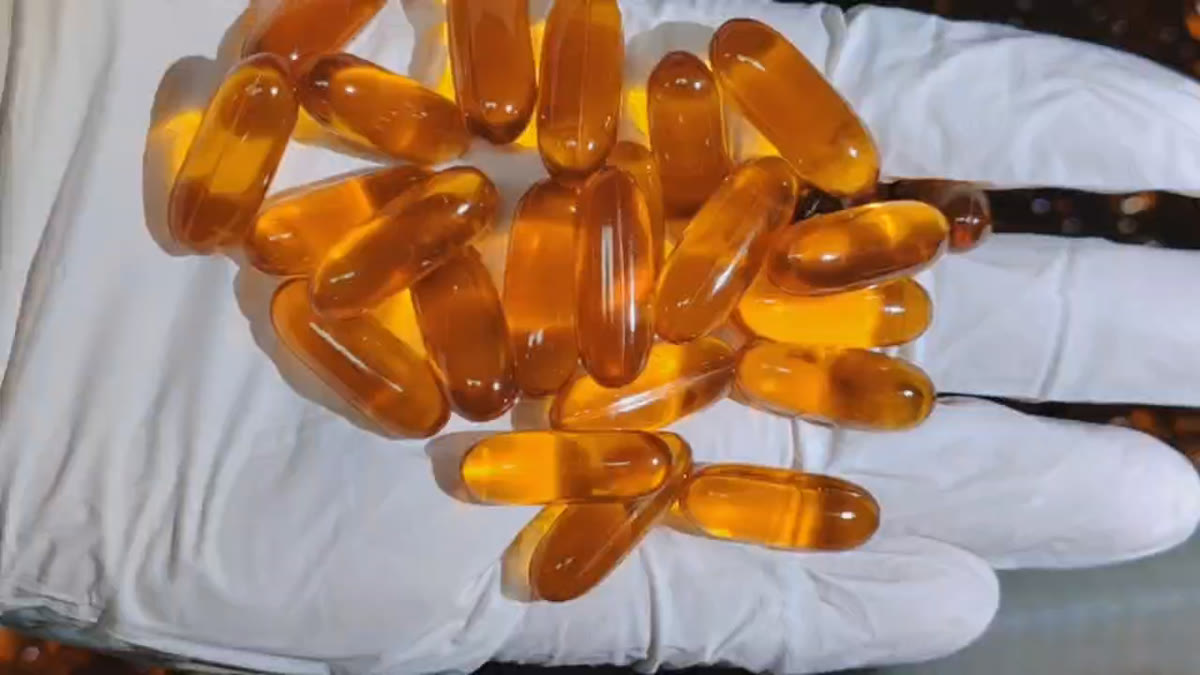
This clip shows the drying stage for a plant-based soybean lecithin softgel (1000 mg) at AMYLOM. The freshly encapsulated softgels are tumble-dried in a rotary drum — the first drying stage — then hand-inspected for clarity, seam, and consistency.
Why tumble drying
The rotary drum keeps the softgels gently moving so air reaches every surface and they dry uniformly, without flat spots from sitting in one position. This first stage starts to firm the shell and surface-dry it before the longer drying that follows. The rotation speed and drum time are matched to the shell formula and the fill.
Drying a gelatin-free shell
A plant-based shell does not dry like gelatin. AMYLOM’s hydroxypropyl starch shell has its own moisture profile and setting behavior, so the drying curve is set for the starch-based film rather than borrowed from a gelatin process. Drying too fast can stress the seam; drying too slow leaves the capsule soft. The soybean lecithin fill — an oily, plant-derived load — also influences how the shell releases moisture.
Inspection
After tumbling, the softgels are checked by hand. Clarity, color, seam, and overall shape are reviewed before the batch moves on. This is a simple but important step: it catches soft, misshapen, or leaking capsules early, and flags anything that needs attention before the rest of the dry.
AMYLOM (Amylom Biotechnology) manufactures plant-based softgels with gelatin-free hydroxypropyl starch shells, for supplements, gel candy, and specialty formats. See our softgel capabilities or talk to our team about a plant-based softgel project.