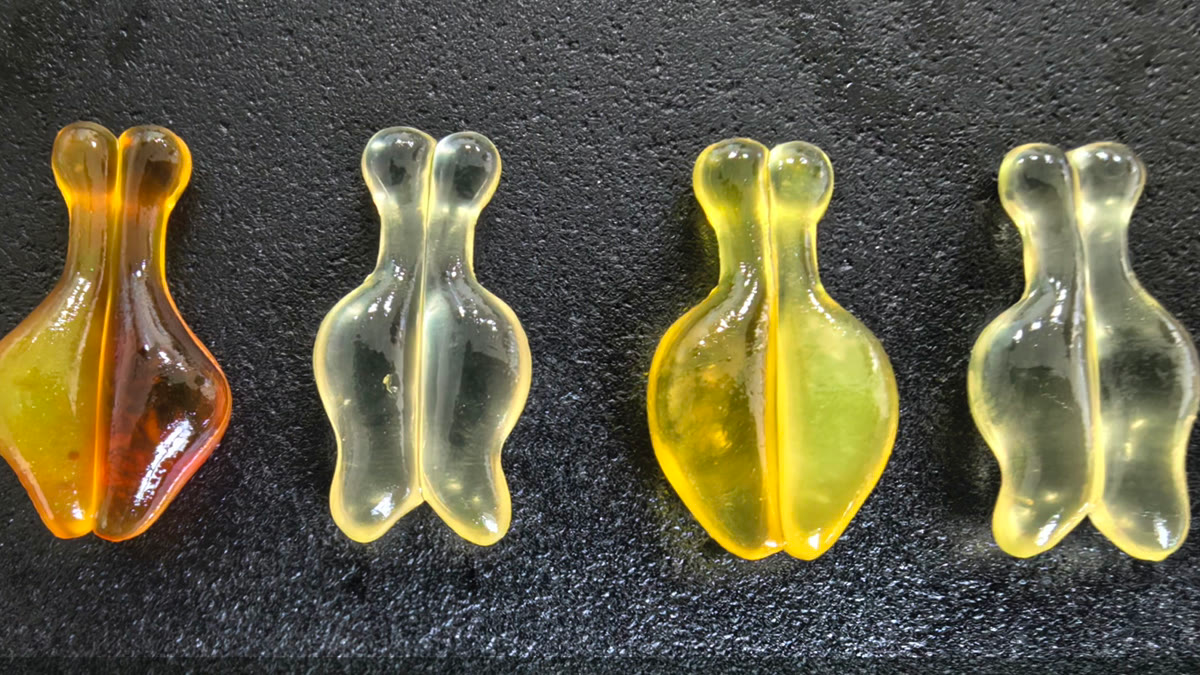

Many softgel lines are built around gelatin shell behavior. Mold geometry, ribbon feed, wedge temperature, and discharge timing are usually tuned for gelatin. When the shell is changed to a plant-based hydroxypropyl starch matrix, the process cannot be treated as a simple material swap.
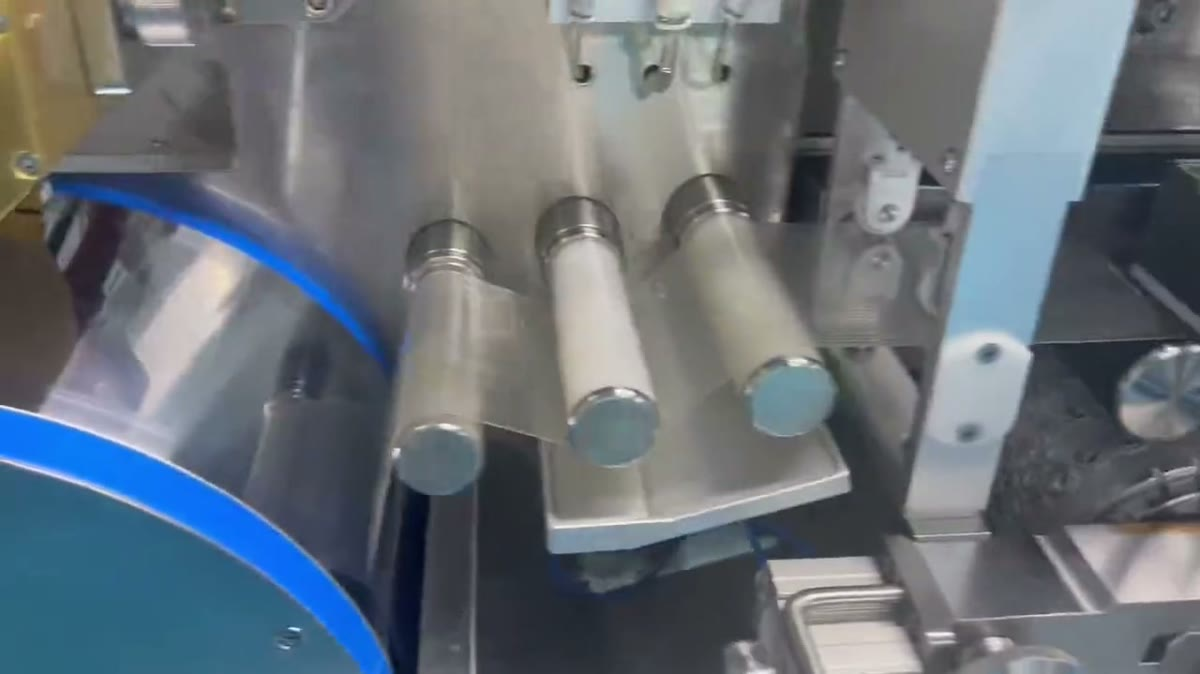
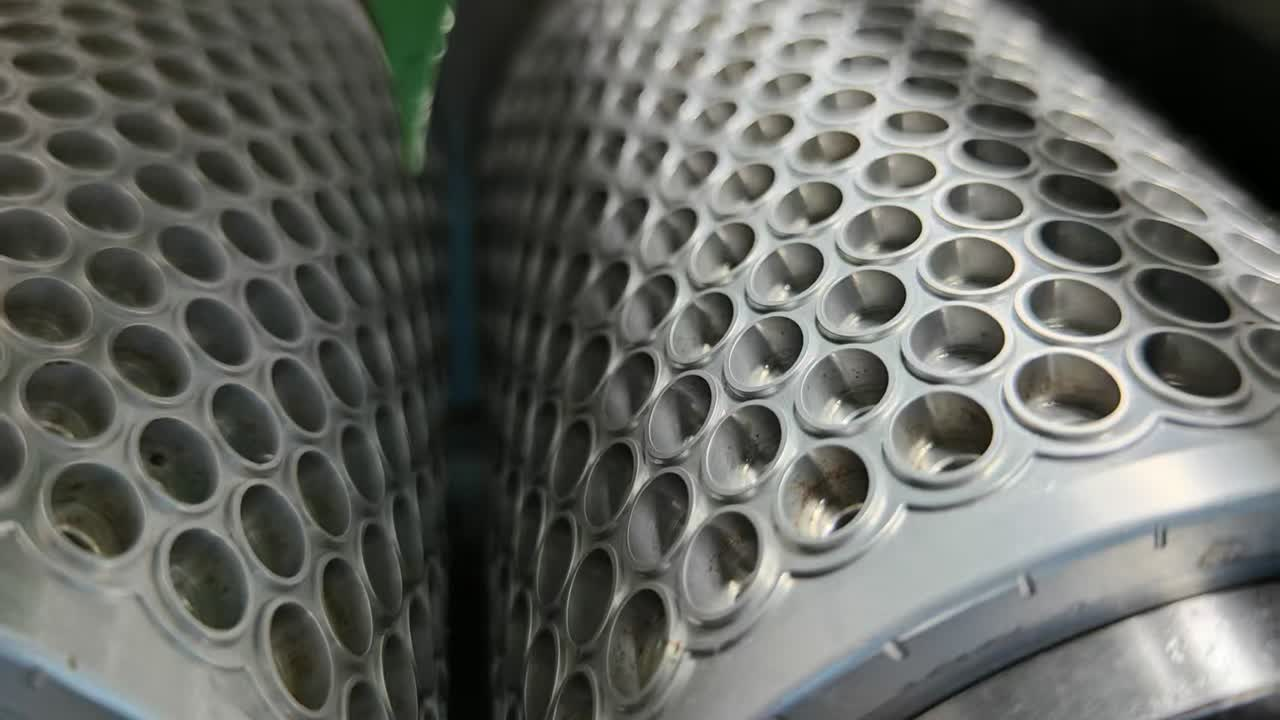
This trial shows AMYLOM plant-based softgels running on an existing gelatin softgel mold. The purpose is not to claim direct replacement. It is to show how the shell material behaves in a familiar rotary-die setup, where ribbon strength, sealing response, and release from the mold all have to stay inside a workable process window.
What the trial shows
The video focuses on the die area and discharge section. The plant-based shell ribbon enters the rotating mold, forms around the fill, and releases as finished pieces from the die. These are the same process points that matter in a gelatin softgel run: ribbon condition, fill timing, sealing pressure, mold release, and transfer out of the forming zone.
For hydroxypropyl starch shells, those points need closer process control. The gel is more viscous than gelatin and forms under a narrower temperature window. If the ribbon is too soft, the capsule can deform during release. If it is too firm, the sealing edge may not close consistently. A short mold trial is therefore useful before assuming that an existing die can be used for a plant-based project.
Why existing molds still matter
Existing gelatin molds are often the starting point for cost and timing reasons. A brand may already have a preferred capsule size, fill volume, or product look. A contract manufacturer may want to test plant-based shells without redesigning every component at once. Running the shell through a known mold gives the technical team a practical baseline.
The useful question is not whether every gelatin mold can run unchanged. The useful question is what has to be adjusted: gel preparation, ribbon thickness, wedge temperature, mold rotation speed, lubrication, drying load, or fill rheology. AMYLOM evaluates those variables together with the shell material instead of treating the mold as an isolated part.
AMYLOM (Amylom Biotechnology) develops hydroxypropyl starch shell materials and supports softgel trials from mold evaluation through process tuning. If you have an existing gelatin softgel format that needs a plant-based route, see our softgel capabilities or contact our team.